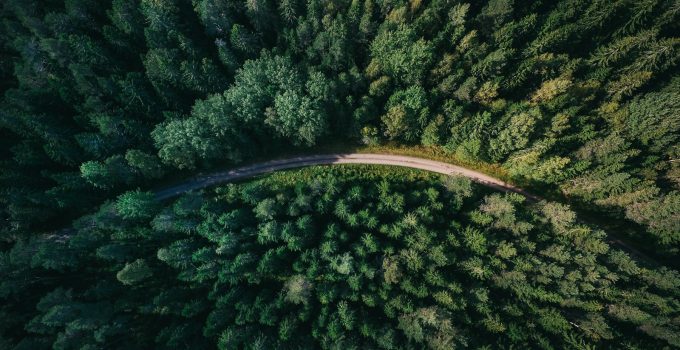
Technology is playing an increasingly important role in how forests are protected, managed, and restored. Forests are not only a defining feature of Earth’s landscapes but a foundational component of climate stability, biodiversity, and long-term human well-being. As pressures from deforestation, climate change, and resource extraction grow, traditional conservation methods alone are no longer sufficient. The integration of modern technology into forest management has made conservation efforts more precise, more scalable, and more responsive to real-world conditions.
One of the most significant advances in this area is the use of satellite imagery. High-resolution satellites now provide continuous, global visibility into forest cover, health, and change over time. This perspective makes it possible to detect deforestation early, identify illegal logging activity, and observe the effects of drought, storms, and rising temperatures. Unlike ground-based surveys, satellite data can be updated frequently and analyzed at scale, allowing conservation groups and governments to respond more quickly to emerging threats such as wildfires, pest outbreaks, or sudden land clearing. In practice, this shifts forest protection from a reactive process to one that is increasingly preventative.
Drones, or unmanned aerial vehicles, build on this capability by offering detailed, localized insight that satellites cannot always provide. Operating closer to the forest canopy, drones can collect high-resolution imagery and sensor data on individual trees, understory conditions, and wildlife habitats. They are particularly valuable in remote or difficult-to-access regions where on-the-ground surveys are costly or dangerous. In some cases, drones are also being used to assist with reforestation by dispersing seeds in degraded areas. This approach can accelerate restoration efforts while reducing labor demands and improving consistency across large areas.
Artificial intelligence and machine learning further extend the usefulness of these technologies by making sense of the vast amounts of data they generate. AI systems can analyze patterns across satellite imagery, drone footage, and sensor networks to identify risks that might otherwise go unnoticed. These systems can flag early signs of disease, forecast fire risk based on environmental conditions, and track long-term changes in forest composition. By enabling earlier intervention and better-informed decision-making, AI supports a more proactive and strategic approach to forest conservation rather than one focused solely on damage control.
Mobile technology and cloud-based platforms are also changing who participates in forest protection. Smartphones and web applications allow local communities, forest managers, and researchers to document conditions on the ground, report illegal activity, and share data in near real time. This broader access to information reduces reliance on centralized institutions and encourages collaboration across regions and disciplines. When people closest to forests have the tools to monitor and protect them, conservation becomes more resilient and less dependent on distant oversight.
Taken together, these technologies represent a meaningful shift in how forests are understood and cared for. Satellites provide global awareness, drones deliver local detail, AI offers predictive insight, and mobile platforms connect people to the process. While technology alone cannot solve the underlying political and economic drivers of deforestation, it does provide powerful tools for accountability, early action, and coordination. Used thoughtfully, these tools strengthen our capacity to preserve forest ecosystems and, in doing so, help safeguard the environmental foundations on which future generations will depend.